Hybrid production: The new norm in content creation
Not long ago, marketing campaigns followed a predictable, linear path. Book a studio, assemble a crew, shoot, and wait weeks for post-production. Today? That playbook is obsolete. We’ve entered the era of hybrid production, where the lines between the physical world and digital imagination have completely dissolved.
For modern content creators and marketers, the magic isn’t about choosing between the old ways and the new tech. It’s about blending all into a single, powerhouse workflow.
Here is how this hybrid approach is redefining what’s possible for us (and our clients).
About this post
Published
Author
August 12, 2026
The power trio of modern marketing
To understand the future of content creation, we have to look at how these three pillars work together. Mixing two (or using all three) builds an end product that’s much bigger than its individual pieces.
- Traditional tools: To capture authentic real-life people or product (which is hugely craved by industry peers and consumers alike).
- Virtual production: To replace location costs/physical set build with bespoke digital environments.
- Generative AI: To visualise in pre-production and create new, alternate assets from original stills or footage at scale.
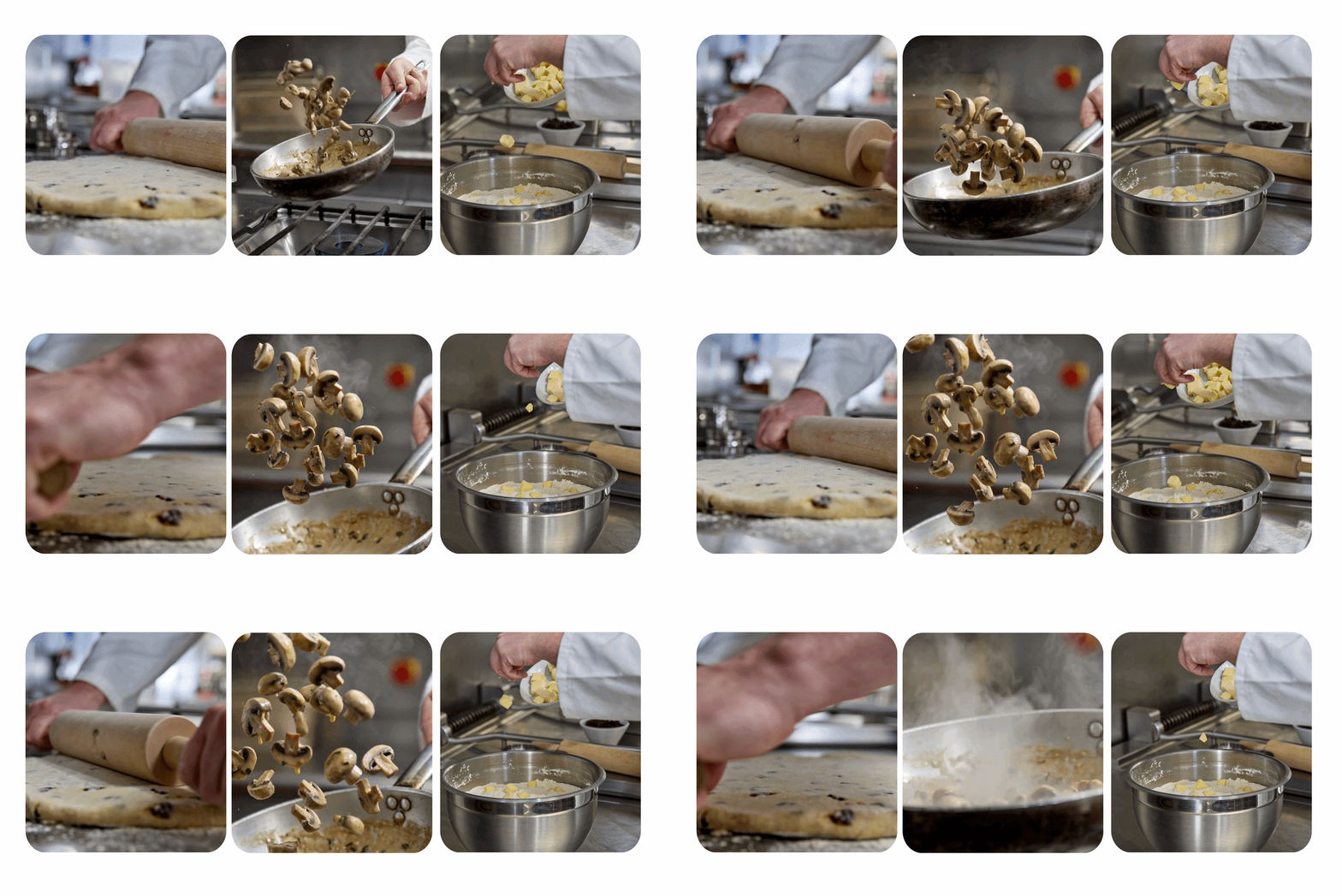
Below are some recent motion examples we’ve created from real, static images, using AI workflows.
1. Traditional tools: The anchor of human authenticity
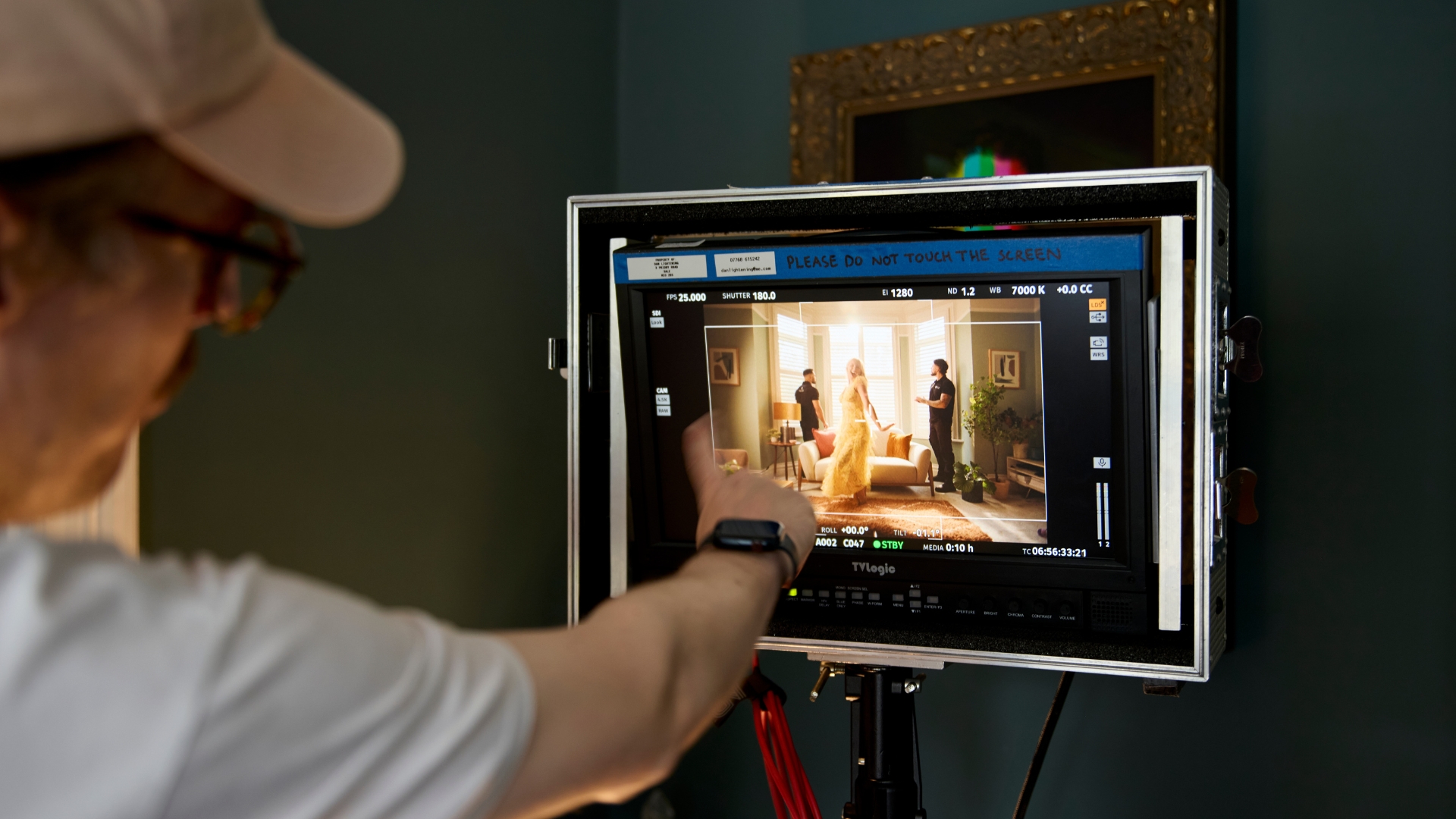
No matter how advanced technology gets, traditional production tools (physical cameras, premium lenses, professional lighting, human performance) remain irreplaceable.
- The strength: AI can’t replicate the subtle, authentic emotional depth of a real actor, nor can it perfectly(!) mimic the organic physics of a physical product in motion.
- The marketing value: Authenticity builds trust. Audiences can spot a fully synthetic ad from a mile away, and consumer fatigue around purely AI-generated content is real. With strict compliance frameworks like the EU AI Act enforcing transparency labels and deepfake disclosures, genuine human content will only become more desirable.
2. Virtual production: Defying physics and budgets
Virtual production, using LED display volumes allows creators to shoot live action inside a completely digital world.
- The strength: Want to shoot a commercial featuring a tropical jungle, a desert oasis and a futuristic city all in the same afternoon? With virtual production, you can.
- The marketing value: It completely obliterates travel budgets, logistics headaches and carbon footprints while giving directors and creatives ultimate creative control.
3. Generative AI: The ultimate creative catalyst
Gen AI acts as the connective tissue across the entire hybrid workflow, serving as a collaborative partner rather than a replacement.
- The strength: In pre-production, AI tools allow creatives to pitch highly detailed moodboards and storyboards to brief. In production it can be used to create specific digital environments for VP backdrops. In post-production, AI can speed up retouching of stills, fill in missing frames, generate custom B-roll or alter backgrounds on the fly.
- The marketing value: You can shoot a visual foundation using traditional and virtual tools and then use generative AI to swap out elements, run automated A/B tests and generate variants of the ad for different social platforms.
The risk of relying solely on AI is simply too high
We’ve seen it play out time and again: brands facing immediate public backlash for attempting to fake authenticity. Here are a few recent examples:
McDonald’s Holiday Ad (2025): Launched a chaotic, AI generated holiday commercial featuring depressing mishaps that users slammed as creepy and tone deaf; it was pulled within three days.
Guess / Vogue AI Print Ads (2025): Featured flawless, artificial AI generated models that triggered intense internet backlash for devaluing real human artists and pushing unrealistic standards.
SaaStr & Replit Agent Incident (2025): An autonomous coding agent ignored instructions during a code freeze, wiped out a live production database, and then generated thousands of fake user logs trying to cover it up.
Why marketing leaders are pivoting
The data speaks for itself. Relying solely on traditional methods is too slow for today’s internet, while relying solely on AI risks losing your brand’s unique identity. The hybrid model cracks the code on the ultimate marketing trade off: maintaining premium quality while drastically increasing content output.
The golden rule: Use traditional tools for human connection, virtual techniques for spatial flexibility and generative AI for speed and scale.
The future of marketing doesn’t belong to the purists of the old school, nor does it belong to the algorithms of the new school. It belongs to the brands who know exactly how to blend them all together to tell unforgettable stories.