Why TV ads aren’t dead (they’ve just had a serious upgrade)
This blog breaks down where TV advertising stands today and how brands can still win big on the screen, featuring expert insights from our long-term media partners at Alchemy Media.
About this post
Published
Author
September 9, 2026
TV advertising in 2026
For years, digital marketing purists have been shouting it from the rooftops: “TV is dead! Digital killed the video star!”
They point to the rise of TikTok, content creators, the dominance of YouTube and the fact that almost everyone you know has cut the cord on traditional cable. It’s easy to look at those trends (and how fast streaming and short-form video have taken over) and assume that TV ad production is a relic of the past. But that couldn’t be further from the truth. TV advertising isn’t dead. It has simply evolved into a richer, more multifaceted landscape.
Here is why TV advertising (in all its forms) remains one of the most powerful weapons in a marketer’s arsenal.
In an AI world, TV is (still) the ultimate brand builder
In an increasingly AI driven world where content creation is automated and performance marketing channels are becoming more and more saturated, distinctive brand equity matters more than ever. AI can optimise short-term conversions, but it can’t manufacture emotional trust, cultural relevance, or long-term recall out of thin air.
Let’s be clear: TV doesn’t eliminate the need for digital performance channels, it amplifies them. As the undisputed #1 medium for long-term brand building, TV creates the foundational mental availability and trust that makes all downstream digital search, social, and AI driven conversion tactics work far more effectively.
Econometric analysis by Magic Numbers found a direct relationship between TV advertising and online response. Across ten brands modelled, TV was responsible for 42% of all web visits – around 50 million in total. This uplift was consistent regardless of investment level.
A fragmented landscape, not a replacement
People haven’t stopped watching television; they’re just consuming it across a wider mix of platforms. While CTV and streaming services (like ad-supported tiers on Netflix and Disney+) have grown significantly, live TV & BVOD platforms continue to account for the lion’s share of total viewing time. The key for marketers is navigating this fragmentation to build cohesive media strategies across both live and on-demand formats.
Precision targeting meets broad efficiency
It’s a common misconception that live TV involves unnecessary wastage. In reality, the broad reach of live TV remains one of the most cost effective ways to build mass brand awareness and reach large audiences simultaneously.
Advances in TV planning allows us to balance the precision of CTV (targeting specific demographics, locations, and behavioral data) with the proven scale and efficiency of live broadcasts.
Rather than treating CTV & Live TV as competing media, uniting the mass reach of traditional live broadcast with the data-driven targeting of CTV/SVOD maximises both immediate conversions and long-term brand equity.
Unmatched viewer attention
Think about how you consume content on a phone. You scroll past social videos in two seconds and hover your thumb over skip buttons. Digital feed ads are remarkably easy to ignore. TV is different. Whether someone is settled on the sofa or watching from bed, they are in a high attention state, giving your brand uninterrupted, full screen visibility that mobile feeds just can’t replicate.
The halo effect of prestige and trust
Let’s face it – anyone with a smartphone and a £20 daily budget can run an ad on Instagram or Facebook. Because the barrier to entry is so low, consumers inherently harbour a bit of scepticism toward social media ads.
TV still carries an unmistakable aura of prestige. Appearing on the big screen alongside premium content instantly boosts brand credibility, legitimacy, and trust.
Stronger cross-platform measurement
With the tools now available, advanced media planning has finally put to rest John Wanamaker’s famous old adage: “I know half my advertising budget is wasted; I just don’t know which half.” Today, sophisticated attribution models allow us to track immediate website visits, search lift, and long-term brand equity generated by TV campaigns, proving that the channel delivers clear, measurable commercial impact.
Alongside this, measurement tools like Adalyser, Ipsos Cross Platform or Origin combined with various uplift studies available from media owners and independent research companies mean we can have a transparent view of the effect of your brand activity not only on your brand but also on your conversion activity.
At its core, TV advertising has a unique ability to propel a brand from local favourite to household name. It isn’t just about placing ads in front of eyes… it’s about creating cultural moments and signalling legitimacy on the biggest screen in the house.
This is precisely why the world’s most successful brands continue to invest heavily in TV advertising:
- Digital native giants (Amazon, Google, Uber): Even the tech platforms that built the modern digital economy rely on TV as their primary engine for mass trust, global reach and long-term brand equity.
- FMCG & supermarket leaders (Tesco, Cadbury, McDonald’s): Retail and consumer powerhouses know that live TV builds the immediate mental availability required to drive millions of daily in-store and online purchases.
- Disruptor & D2C successes (Monzo, Compare the Market, Octopus Energy): Modern scale ups routinely turn to TV advertising when they hit the ceiling of digital performance channels, using the credibility of TV to unlock their next phase of market growth.
Ultimately, TV isn’t a replacement for digital channels, nor has CTV rendered live broadcasting obsolete
Instead, TV builds the overarching brand trust, cultural relevance and top of funnel demand that makes every digital click, search and social campaign work significantly harder for your brand.




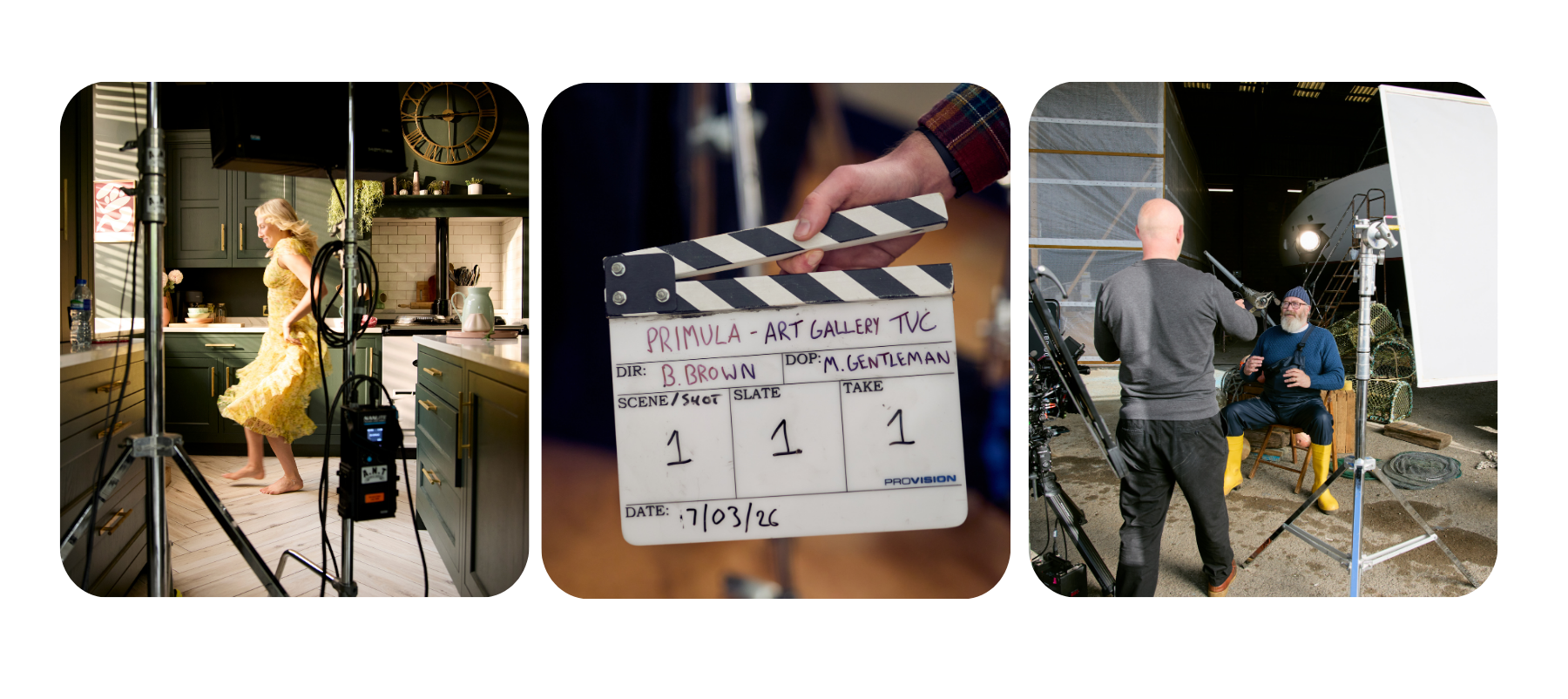
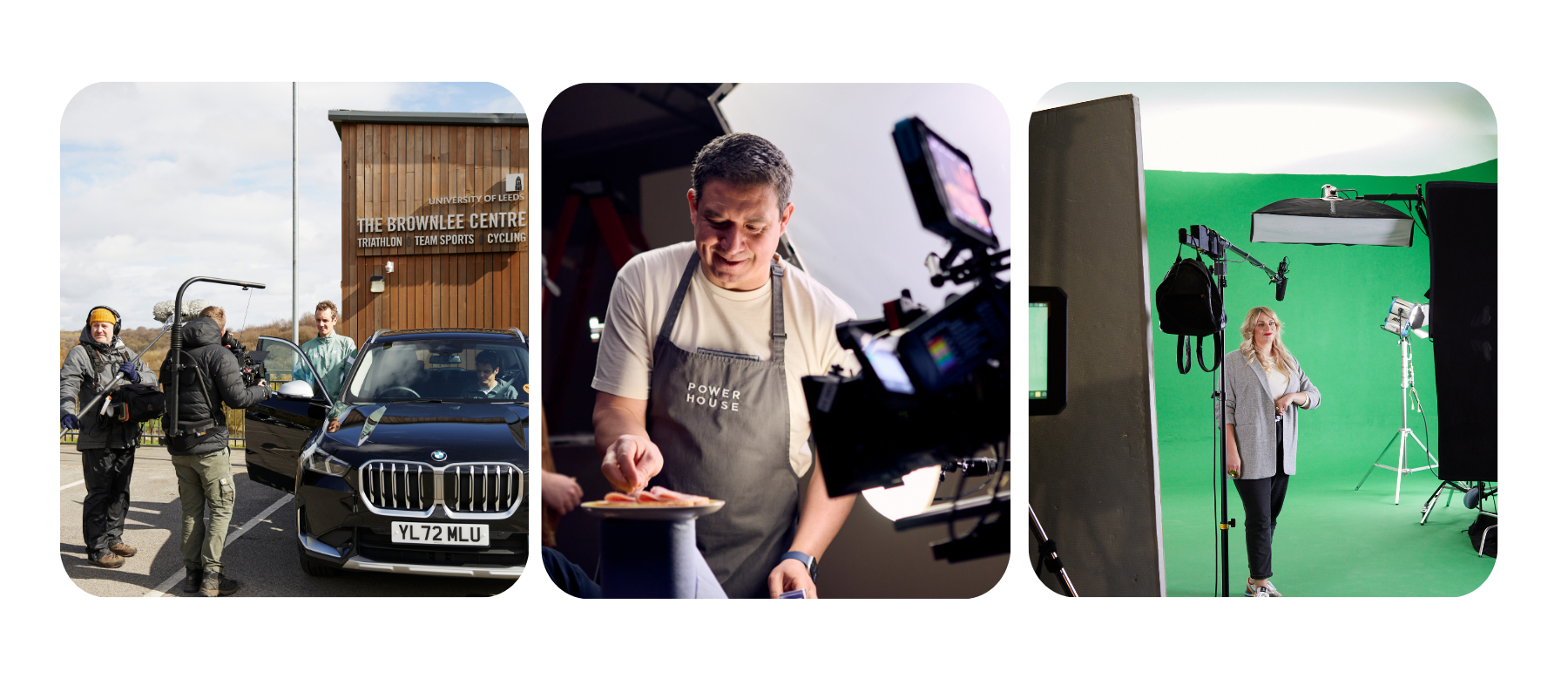
Check out some of our TVC work
From home & interiors to FMCG, service providers, food & drink brands, we have produced high-impact TV advertising campaigns across a wide range of sectors.